D Girl Teddy Review: A Sketchy Alphabet for Modern Embroidery
As an embroidery designer who spends more time at the hoop than away from it, I am always on the lookout for design assets that bridge the gap between digital convenience and handmade charm. Recently, I came across the D Girl Teddy machine embroidery design on Creative Fabrica, and it immediately caught my eye for a specific type of project. In an industry saturated with overly dense, perfect vector-style fills, there is a growing demand for designs that mimic the imperfection of a hand-drawn sketch. This review breaks down how this alphabet set performs in real-world commercial and personal applications.
The Visual Mood: Hand-Drawn Charm Meets Efficiency
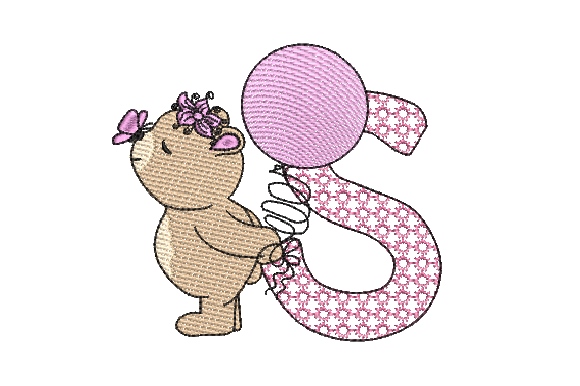
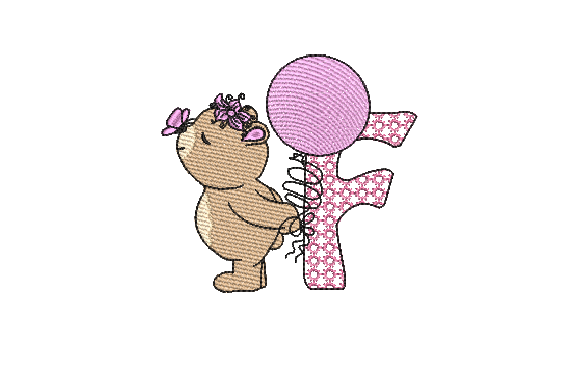
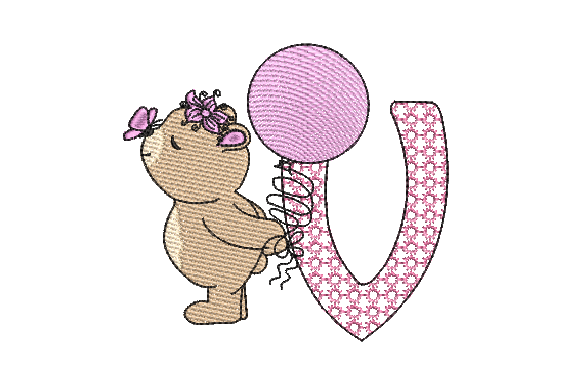
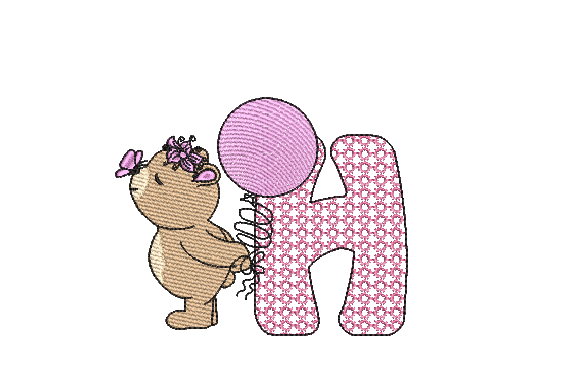
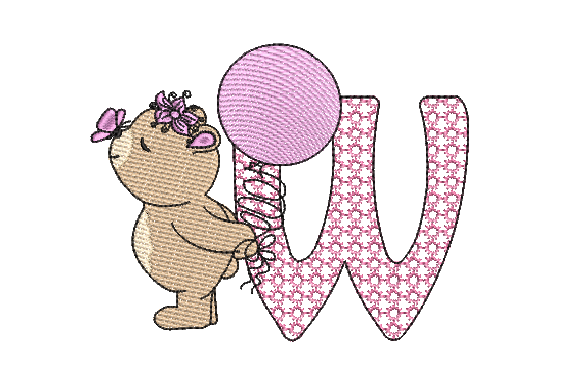
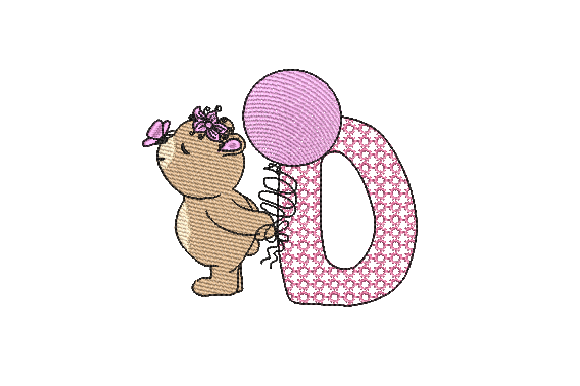
The first thing you notice about D Girl Teddy is its aesthetic personality. The product description highlights that this beautiful sketch is designed to look hand-drawn, and visually, it delivers on that promise. Unlike traditional block fonts that rely on heavy satin columns or dense fill stitches, this alphabet utilizes a lighter approach. It is lightly filled with no or little underlay, which gives the letters a breezy, airy quality.
For designers, this "sketchy" look is incredibly versatile. It avoids the stiff, plastic-like appearance that sometimes plagues machine embroidery on soft goods. Instead, it offers a texture that feels organic and approachable. The lack of heavy underlay means the design sits flatter on the fabric, reducing bulk—a crucial factor when working on items like baby blankets or lightweight apparel where comfort is paramount. The visual impact is major despite the minimal stitch count, making it an excellent choice for projects where you want the design to be noticed without overwhelming the base material.
Real-World Application: From Tote Bags to Boutique Apparel
When evaluating a new embroidery file, I always ask myself: "Where does this actually sell?" For D Girl Teddy, the applications are vast, particularly for Etsy sellers and boutique owners looking to capitalize on the current trend of whimsical, nursery-style decor and personalized gifts.
Imagine applying this alphabet to a canvas tote bag design. The light fill allows the weave of the canvas to show through slightly, enhancing that handcrafted feel. It would work beautifully for custom apparel, specifically on sweatshirt embroidery where heavy stitching can sometimes cause puckering or stiffness. Because the design is described as quick to stitch out, it is also ideal for high-volume orders, such as creating a series of embroidered patches or labeling a batch of kitchen towels for a holiday market.
For those creating nursery decor, this font fits seamlessly into the "Teddy Bears" and woodland creature themes that remain perennially popular. Whether monogramming a pillow cover or adding a name to a baby blanket, the playful nature of the sketch style adds a layer of warmth that standard fonts often lack. It transforms a simple handmade product into a personalized gift that feels bespoke rather than mass-produced.
Navigating Fabric Challenges and Hoop Constraints
While the aesthetic is promising, practical execution requires careful consideration of materials. Since D Girl Teddy relies on a light fill with minimal underlay, the choice of stabilizer becomes critical. On stretchy fabrics like jersey knits or fleece, a cut-away stabilizer is likely necessary to prevent the open areas of the sketch from distorting over time, especially if the finished product will undergo frequent washing.
Textured fabrics present another opportunity. Towels and waffle weaves can sometimes swallow up fine details, but the bold, sketchy lines of this alphabet should hold up well compared to intricate script fonts. However, caution is advised when stitching on dark fabric. Since the design is lightly filled, ensuring high contrast with your thread colors is essential. A pastel thread on a navy background might get lost; opting for brighter or metallic threads could make the "hand-drawn" lines pop effectively.
Regarding hardware, the compact nature of alphabet sets usually makes them compatible with smaller hoops, which is a boon for cap embroidery or small patches. However, because specific dimensions are not listed in the brief description, it is vital to check the product details on the Creative Fabrica page to confirm the hoop size requirements before committing to a project involving small items like baby socks or pocket logos.
Enhancing Brand Value and Customer Trust
In the world of commercial embroidery, consistency is key to building brand trust. Using a unique font style like D Girl Teddy can help differentiate your shop from competitors using the same default machine fonts. The distinct "sketch" look serves as a visual signature, suggesting that thought and curation went into the design selection.
This attention to detail directly impacts product photography and customer engagement. When potential buyers see a printable mockup or a photo of a real item featuring this textured, artistic lettering, it conveys a sense of quality and artistry. It suggests that the item is not just a commodity but a piece of creative expression. For handmade shop owners, this perceived value can justify a higher price point, as customers are often willing to pay more for items that look uniquely crafted rather than generically decorated.
Practical Notes for the Professional Stitcher
Before running a production batch with D Girl Teddy, I recommend a rigorous testing phase. Always test on scrap fabric that matches your final material to check for registration issues or puckering. Pay close attention to the stitch density; while "light fill" sounds forgiving, it can sometimes reveal machine tension inconsistencies more readily than dense fills.
Inspect small details after stitching, particularly the start and stop points of the running stitches that create the sketch effect. Ensure there are no loose tails that could unravel during washing. If you are planning to use this for applique design elements or layering it with other graphics, verify the sequence of the file to ensure the layers build up logically.
Finally, a crucial reminder for all creative entrepreneurs: licensing terms vary by designer and platform. While Creative Fabrica generally offers broad licenses for physical goods, always review the specific license included with the digital embroidery file before selling finished items. Confirm whether there are restrictions on the number of sales or if attribution is required. Additionally, since file formats (like PES, DST, EXP) and exact stitch counts were not detailed in the initial summary, verify these technical specs on the product page to ensure compatibility with your specific embroidery machine.
In conclusion, D Girl Teddy represents a thoughtful addition to a modern designer's library. Its ability to combine speed of production with a high-end, hand-drawn aesthetic makes it a strong contender for anyone looking to elevate their custom apparel, home decor, or gift lines. With proper stabilizer selection and fabric testing, this alphabet set has the potential to become a staple in your commercial embroidery workflow.