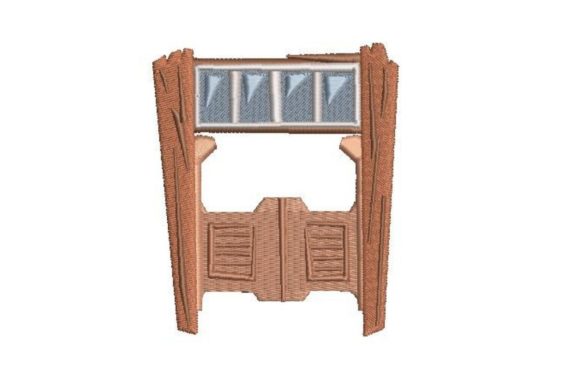
Saloon Door: A Cheerful Stitch for Craft Fair Success
As an embroidery designer preparing for a busy weekend at the local artisan market, my table needs to tell a story. It isn't just about having items to sell; it is about curating a collection that stops browsers in their tracks. When I reviewed the Saloon Door machine embroidery design, I immediately saw its potential to anchor a rustic, farmhouse-themed booth display. The product description promises a "cheerful touch," and in the world of handmade goods, cheerfulness sells. Customers at craft fairs are often looking for items that bring warmth and personality into their homes, and this design fits that bill perfectly.
First Impressions and Visual Appeal
The first thing I noticed about Saloon Door is its bold yet inviting aesthetic. While the category lists it under "Cities," the vibe feels less like an urban skyline and more like a charming, rustic western welcome. It strikes a balance between cute and decorative, making it versatile enough for various demographics. For a craft fair product, immediate visual recognition is key. People walk past tables quickly, so a design must be understandable at a glance. This motif works beautifully as a focal point because the imagery is iconic; everyone knows what a saloon door looks like, and it instantly evokes feelings of nostalgia and fun.
When considering how this translates to a finished product, the cheerful nature of the design suggests it will pop against neutral backgrounds. Whether you are aiming for a modern farmhouse look or a playful country style, this embroidery adds character without feeling overly complicated. It avoids being too minimalist, which can sometimes get lost on a crowded display table, but it also isn't so dense that it overwhelms the fabric.
Strategic Product Placement for Maximum Sales
In planning my booth inventory, I evaluated where Saloon Door would perform best. Not every item in a shop is a bestseller, so choosing the right canvas is crucial for profitability.
- Tote Bags and Market Bags: This is likely the strongest contender for this design. A sturdy canvas tote with a large, centered tote bag design featuring the saloon doors creates an instant statement piece. It appeals to shoppers looking for reusable bags with personality.
- Aprons and Tea Towels: Kitchen linens are staples at handmade markets. An apron embroidery placement on the bib or pocket adds a whimsical touch for the home cook. Similarly, tea towel embroidery allows the design to shine on linen or cotton blends, offering a great gift option under $20.
- Embroidered Patches: If the design scales well, turning it into an embroidered patch is a brilliant move. Patches are low-cost, high-margin items that appeal to younger crowds who want to customize denim jackets or backpacks.
- Caps and Pillow Covers: While viable, these require more caution. The curved surface of a cap can distort wide designs, and pillow covers need the image to be centered perfectly to look professional.
For an Etsy seller or digital creator, this design also offers excellent potential for printable mockup creation. High-quality photos of this design on textured fabrics can drive online sales just as effectively as physical booth presence.
Production Practicality and Batch Efficiency
Time is money, especially when prepping for a show. The description notes that this is a "very well digitized design and easy to embroider." From a production standpoint, this is music to my ears. A design that runs smoothly means fewer thread breaks, less trimming, and faster turnover. If I am running ten aprons in a row, I need a digital embroidery file that behaves consistently.
The mention of "multiple embroidery file formats" is a significant plus for commercial use. It ensures compatibility whether I am using a single-needle home machine or a multi-head commercial setup. However, since specific details like exact stitch count or hoop size are not provided in the short description, I strongly advise downloading a test version or checking the full product specs before committing to a large batch. Knowing the hoop size requirement is essential to ensure it fits on smaller items like pouches or hat brims without needing a re-digitize.
Critical Considerations for Quality Control
Even with a well-digitized file, material choices can make or break the final look. Here are specific areas where I would exercise caution when using Saloon Door:
- Fabric Texture: Thick or highly textured towels can cause small details to get lost. If the design has fine lines representing wood grain or hinges, they might sink into a waffle-weave towel. Always test on the actual fabric you intend to sell.
- Thread Contrast: To maintain the "cheerful" vibe, ensure your thread colors contrast sharply with the fabric. A dark brown design on a black tote bag will vanish. Stick to light or medium-weight fabrics for the best visibility.
- Stitch Density: Review the stitch density before running on stretchy fabrics. If the design is too dense, it can cause puckering on lightweight cottons or knits. Using the correct stabilizer—likely a cut-away for durability on frequently washed items like aprons—is non-negotiable.
- Scaling Issues: Be careful if shrinking the design for small accents like pocket logos. Tiny lettering or intricate details may merge together if the design is reduced too much, losing clarity.
Enhancing Brand Value and Customer Engagement
Ultimately, the goal of adding Saloon Door to my product line is to enhance the perceived value of my brand. A cohesive collection that utilizes a strong theme helps build brand consistency. If my booth features this design across tote bags, patches, and kitchenware, it creates a curated "look" that encourages customers to buy multiple items.
This design acts as a conversation starter. When a customer asks, "Is that a western theme?" it opens the door for me to explain the handmade quality and the care put into each stitch. It transforms a simple commodity into a small shop product with a story. For boutique makers, this kind of engagement is what drives loyalty and repeat business.
Before listing this as a commercial embroidery product or selling finished goods, always confirm the licensing terms. While the description hints at usability for creative projects, ensuring you have the rights for commercial sale is vital for protecting your business. Once cleared, Saloon Door stands out as a reliable, attractive asset that bridges the gap between digital convenience and tangible, handmade charm. By testing on scrap fabric, checking spacing, and selecting the right materials, this design can become a staple in your inventory, bringing that promised cheerful touch to every customer who takes one home.