Hand Drawn Camera Illustration Review
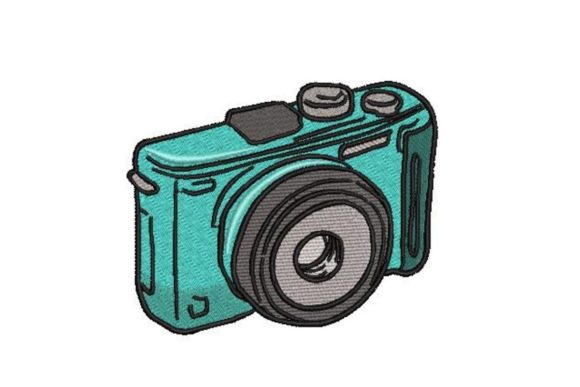
As an embroidery designer who spends more time at the hoop than away from it, I am always on the hunt for designs that bridge the gap between digital precision and handmade charm. When I first loaded the Hand Drawn Illustration of a Camera onto my screen, I was looking for something specific: a motif that could anchor a personalized gift without feeling sterile or overly mechanical. This design immediately stood out because it captures the soul of photography rather than just the hardware. It feels less like a technical blueprint and more like a sketch from an artist's notebook, which is exactly what modern customers are craving in their handmade products.
The mood of this piece is undeniably nostalgic yet fresh. It carries a playful elegance that fits perfectly into the Vacation category, evoking memories of family trips, honeymoons, and childhood adventures. For those of us running small shops or selling as an Etsy seller, the emotional appeal of a design is just as important as its stitch quality. This illustration screams "storyteller." It invites the viewer to think about the moments captured behind the lens, making it an ideal candidate for high-value custom orders.
Perfect Applications for Custom Gifts
In my workshop, I immediately began brainstorming where this machine embroidery design would shine brightest. The versatility here is impressive. For baby embroidery, imagine this stitched onto a soft muslin blanket or a nursery wall hanging. It serves as a gentle nod to the parents who document every milestone. The hand-drawn aesthetic ensures it doesn't look too industrial for a baby's room, maintaining a soft, whimsical vibe.
Moving beyond the nursery, this design is a powerhouse for wedding gifts. A linen embroidered towel set featuring this camera motif, perhaps paired with the couple's wedding date in a complementary font, makes for a thoughtful keepsake. It also works beautifully on tote bags for photographers or travel enthusiasts. I can picture a canvas tote with this design centered, ready to carry lenses and accessories, appealing directly to the creative crowd. Even a simple pillow cover in a living room gains instant character when adorned with this image, turning a generic decor item into a conversation starter about travel and memory.
For craft fair vendors, this is a goldmine. You can create a cohesive collection of small shop products ranging from aprons for the cooking enthusiast who loves food photography to zippered pouches for film rolls. The key is matching the fabric texture to the vibe of the drawing. Linen, cotton canvas, and soft flannels all seem to complement the sketched lines of the camera, enhancing that organic, custom embroidery feel.
Technical Considerations and Fabric Choices
While the artistic merit is high, we must discuss the technical execution. Because this is a hand-drawn style, it likely relies on varied stitch directions to mimic pencil or ink strokes. This means you need to be mindful of your stitch density. If the density is too high on a delicate fabric, you risk puckering; if it is too low on a heavy towel, the background might show through awkwardly.
I strongly advise testing this embroidery file on scrap fabric before committing to a final product. Pay close attention to how the design behaves on textured fabrics like waffle-weave towels or thick terry cloth. The fine details of a hand-drawn illustration can sometimes get lost in deep loops or high-pile textures. Similarly, when working with stretchy baby clothes, the stability of the design is paramount. You will need a high-quality cut-away stabilizer to ensure the camera illustration remains crisp after multiple washes.
Color selection is another critical factor. The original description notes that the design comes in multiple formats, but it does not specify exact thread colors. This gives you creative freedom but also responsibility. On dark fabrics, you may need to manually adjust the thread palette to ensure sufficient contrast. A black camera on a navy bag might disappear, whereas a cream or gold thread could make the design pop. Always compare light and dark fabric mockups before finalizing your inventory.
Navigating Delicate Details and Durability
One area requiring caution is the potential for small, delicate details within the illustration. Hand-drawn styles often include fine lines to suggest shading or contour. If these lines are too thin, they may break down over time with frequent washing, especially on items like kitchen towels or aprons that see heavy use. Inspect the stitched sample closely under good light. If you notice threads pulling or gaps forming in the densest areas, consider simplifying the design slightly or increasing the stitch count in those specific zones if your software allows.
Furthermore, be cautious when placing this design on curved surfaces, such as the corner of a pillow or the side of a structured bag. The geometry of the camera needs to remain true to avoid looking distorted. Proper hooping technique is essential here; ensure the fabric is drum-tight to prevent any shifting during the stitch-out process.
Boosting Perceived Value and Customer Trust
From a business perspective, the Hand Drawn Illustration of a Camera significantly boosts the perceived value of your finished goods. Customers are willing to pay a premium for items that feel unique and emotionally resonant. This design facilitates that connection. It tells the buyer that you didn't just slap a generic clip-art image on a product; you chose something with personality.
When photographing your finished product for listings, this design offers excellent visual interest. The sketched lines create natural shadows and depth that look fantastic in close-up shots, highlighting the quality of your workmanship. This attention to detail builds customer trust. When a buyer sees that even the intricate parts of a camera illustration are stitched cleanly, they assume the rest of your construction—seams, hems, and finishing—is equally superior.
For digital product sellers, offering this as part of a bundle could increase engagement. However, remember that if you are selling the physical embroidered item, you are selling an experience. Whether it is a wedding gift for a photographer couple or a baby shower present for new parents, this design acts as the focal point of memory-keeping.
Final Verdict and Practical Next Steps
Before adding this to your permanent rotation, there are a few housekeeping items to address. Since the product description mentions multiple embroidery file formats but does not list them explicitly (such as PES, DST, JEF), you must verify compatibility with your specific machine model. Additionally, while the text suggests it can be used for multiple applications, always confirm the commercial licensing terms. Some designers allow unlimited sales of finished physical goods, while others have restrictions on the number of items you can produce.
Check the recommended hoop size carefully. A design of this nature might require a larger hoop to capture all the hand-drawn nuances without crowding the edges. Finally, create a printable mockup or a digital preview for your customers before stitching. Showing them how the camera looks on a tote versus a blanket can help upsell the order.
In conclusion, the Hand Drawn Illustration of a Camera is a charming, versatile asset for any embroidery professional. It balances artistic flair with practical application, making it suitable for everything from delicate baby items to rugged travel gear. With careful attention to fabric choice, stabilizer selection, and thread contrast, this design can become a staple in your catalog of personalized gifts, helping you create meaningful connections with your customers one stitch at a time.