Number 8 Cute Teddy: A Pro Review for Small Business Merch
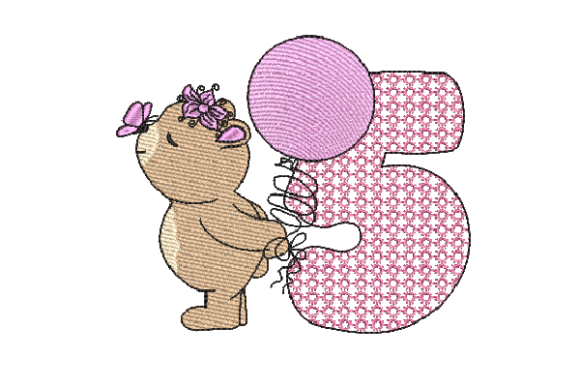
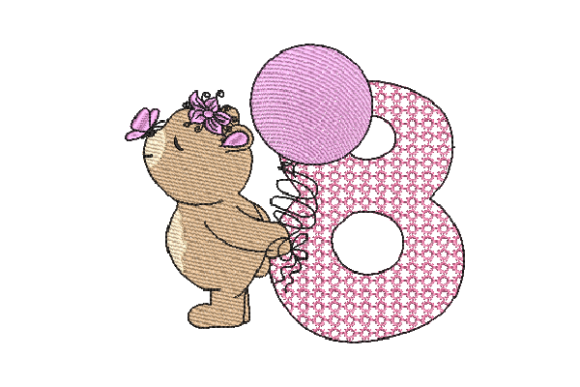
As an embroidery designer who has spent years digitizing and reviewing files for commercial use, I approach every new machine embroidery design with a critical eye toward scalability and brand application. When I first loaded the Number 8 Cute Teddy file to evaluate it for potential client projects, my immediate impression was one of charming utility. This isn't just a decorative element; it is a strategic asset for small business owners looking to inject personality into their branded merchandise. The description promises a "hand-drawn" sketch aesthetic that is lightly filled with minimal underlay, and in practice, this translates to a modern, rustic feel that resonates deeply with today's consumers who value handmade authenticity over corporate sterility.
Visual Personality and Brand Fit
The core strength of Number 8 Cute Teddy lies in its visual language. In a market saturated with bold, blocky logos, this design offers a softer, more approachable alternative. The "sketch" style suggests creativity and care, making it an ideal fit for boutiques, bakeries, florists, and creative studios. It feels friendly and playful without sacrificing professionalism. For a business specializing in Birthdays or celebratory events, this design serves as a perfect thematic anchor. However, its utility extends far beyond party supplies. Imagine a local pet brand using this on a collar tag patch, or a children's clothing line incorporating it as a sleeve detail. The aesthetic bridges the gap between whimsical and premium, allowing brands to signal that their products are crafted with love.
Real-World Application for Small Business Merch
When evaluating a digital embroidery file for commercial use, the question is always: "Where does this live on the product?" For Number 8 Cute Teddy, the applications are versatile. Because the design is described as having "no or little underlay," it is exceptionally well-suited for items where bulk is a concern.
- Embroidered Patches: This is perhaps the strongest use case. The light fill allows the patch to remain flexible and soft, perfect for iron-on or sew-on applications for customer gifts or limited edition drops.
- Staff Uniforms and Aprons: For cafes and bakeries, apron embroidery needs to be durable but not stiff. The quick stitch-out nature of this design means less machine time and lower labor costs per unit, while the hand-drawn look reinforces the artisanal vibe of the establishment.
- Cap Embroidery: Placing this on the side panel or even the front of a unstructured cap can create a subtle brand mark that doesn't overwhelm the wearer.
- Tote Bag Design: Canvas totes are a staple for retail shops. The contrast of the sketch-style teddy against natural canvas creates a high-end, eco-friendly aesthetic that encourages customers to use the bag in public, effectively turning them into brand ambassadors.
The "quick to stitch out" characteristic mentioned in the product details is a major win for commercial embroidery shops. High-speed production with a "major impact" visual result is the holy grail for maintaining healthy margins on small business merch.
Technical Considerations and Production Notes
While the design is promising, a professional review must address potential pitfalls. The description notes a "lightly filled" style with minimal underlay. While this reduces bulk, it requires careful attention during production.
First, consider the fabric texture. On coarse fabrics like heavy canvas or textured towels, a light fill might allow the background fabric to show through too much, potentially reducing legibility. I strongly advise running a test stitch on the exact material you intend to use before committing to a large run. If the fabric is dark, ensure your thread colors provide sufficient contrast; a pastel thread on a navy uniform might get lost if the fill density is too low.
Secondly, pay close attention to stitch density relative to size. If you are scaling this down for a tiny chest logo or a small patch, the "hand-drawn" lines might become too fine to stitch cleanly. There is a risk of thread breaks or loss of detail if the design is reduced beyond its intended limits. Always check the recommended hoop size and minimum dimensions provided by the digitizer. If these specifics are not included in the download package, do not guess—contact the seller or test extensively.
Furthermore, because there is "little underlay," the stability of the design relies heavily on your choice of stabilizer. For stretchy fabrics like polo shirts or performance wear, a robust cut-away stabilizer is non-negotiable to prevent distortion over time, especially for items that will undergo frequent washing. Without adequate support, the sketch lines could pucker, ruining the "clean" look of the finished product.
Enhancing Brand Identity and Customer Trust
In the era of Etsy sellers and handmade brands, brand identity is everything. Customers are increasingly skeptical of mass-produced goods. Using a design like Number 8 Cute Teddy signals that a business values uniqueness. It adds a layer of emotional connection; a teddy bear evokes comfort and nostalgia. When a customer receives a product with this level of thoughtful detailing—whether it's a custom custom apparel piece or a branded accessory—it builds trust. It tells them that the business cares about the finer details.
Consistency is key. If you use this design as part of a Birthdays collection, ensure the thread palette matches your other design assets. Creating a printable mockup before production is essential. Visualize how the Number 8 sits alongside your text logo. Does it balance well? Does it distract? The goal is to enhance recognition, not clutter the visual field.
Final Designer Recommendations
Before integrating Number 8 Cute Teddy into your product line, follow this checklist to ensure professional results:
- Test in Monochrome: Stitch the design in black thread on white fabric (and vice versa) to verify that the outlines and fills hold up without relying on color contrast.
- Verify Licensing: Confirm the commercial licensing terms. Ensure you have the right to use this embroidery file for unlimited production runs if you plan to sell hundreds of units.
- Check Scale Limits: Determine the smallest size at which the "sketch" lines remain distinct. Do not assume it works at 1 inch if it was designed for 4 inches.
- Mockup for Approval: If working with a client, present a digital or physical mockup. The hand-drawn style is specific; ensure it aligns with their vision of "professional."
- Review File Formats: Ensure the downloaded package includes the correct format for your specific embroidery machine to avoid conversion errors that could alter stitch paths.
In conclusion, Number 8 Cute Teddy is a potent tool for the modern embroiderer. Its blend of speed, aesthetic charm, and versatility makes it a strong contender for enhancing finished product value. By respecting its technical nuances regarding underlay and fabric choice, small business owners can leverage this design to create memorable, high-quality merchandise that stands out in a crowded marketplace.