Happy Monkey: A Pro Review for Small Business Merch
As an embroidery designer who has spent years digitizing and reviewing files for commercial use, I approach every new machine embroidery design with a critical eye. It is not just about whether a design looks cute on a screen; it is about how it performs on a cap, how it holds up on a washed apron, and whether it elevates a brand's identity. Today, I am reviewing Happy Monkey, a design categorized under Baby Animals, to see if it stands up to the rigors of small business merchandising and branded patch production.
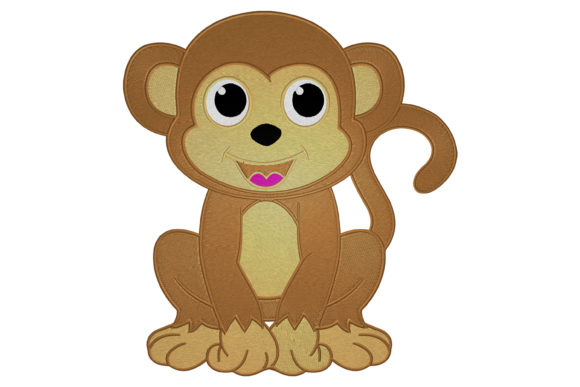
My first impression of Happy Monkey is that it strikes a perfect balance between playful and professional. In the world of Embroidery, designs featuring animals can often lean too heavily into cartoonish territory, making them unsuitable for serious branding. However, this design feels friendly and approachable without losing its structural integrity. For a boutique, a creative studio, or a local bakery looking to add a touch of whimsy to their custom apparel, this visual personality is gold. It suggests a brand that is human, accessible, and fun, which is exactly what modern consumers want from handmade brands and Etsy sellers.
Real-World Application for Branded Merchandise
Let's move beyond theory and discuss where Happy Monkey actually shines in a business context. The description notes its suitability for pillows, t-shirts, and sweatshirts, but for a business owner, the potential goes much deeper. Imagine a pet grooming salon or a children's boutique using this as a central logo on an embroidered patch. Patches are incredibly versatile; they can be sewn onto denim jackets, canvas tote bags, or even used as hang-tags on packaging.
For staff uniforms, this design works exceptionally well as a chest logo accent or a sleeve detail. If you run a café or a flower shop, placing Happy Monkey on the pocket of a work shirt or the front of an apron creates immediate brand recognition. Apron embroidery requires durability, and assuming the digitizing is tight, this character can withstand the daily wear and tear of a busy shop floor. Similarly, for cap embroidery, the compact nature of a monkey face fits perfectly on the curved front panel, offering a high-visibility mark that customers will remember.
I also see great potential for this design in event merch. If you are hosting a craft fair or a pop-up shop, having tote bags ready with a high-quality tote bag design featuring this character can drive impulse buys. It transforms a simple bag into a walking advertisement for your brand. Furthermore, for those selling digital goods or physical crafts online, using this image in a printable mockup can significantly boost buyer engagement by showing exactly how the finished product will look.
Technical Considerations and Placement Strategy
While Happy Monkey has strong aesthetic appeal, there are technical areas where a professional must exercise caution. When scaling any design down for a small patch or a infant onesie, stitch density becomes a critical factor. If the design is too dense, it can cause the fabric to pucker, especially on textured materials like towels or heavy canvas. Before committing to a large production run, I always advise testing the digital embroidery file on the actual fabric you intend to use.
Curved surfaces present another challenge. Embroidering on a cap is vastly different than embroidering on a flat pillowcase. The curvature of a cap can distort the proportions of the monkey's face if the hoop placement isn't precise. Additionally, if your brand colors require specific thread colors that differ from the default preview, you must check the contrast. A dark uniform might require a lighter outline to ensure the monkey pops, whereas a light garment might need darker threads for definition.
Another point of consideration is the hoop size. The product description mentions compatibility with multiple formats, but it does not specify exact dimensions. For small business owners, knowing the minimum hoop size is essential for planning production efficiency. If the design requires a large hoop, it might limit your ability to gang multiple logos on a single piece of stabilizer, affecting your profit margins. Always verify these specs with the seller before purchasing.
Impact on Brand Identity and Customer Trust
In the competitive landscape of small business, every detail contributes to your brand identity. Using a high-quality, consistent graphic like Happy Monkey across all your design assets builds trust. When a customer sees the same well-executed monkey logo on your website, your packaging, and your staff's uniforms, it signals professionalism. It tells the customer that you care about quality and attention to detail.
For handmade product creators, the "handmade" feel is vital, but it shouldn't look sloppy. A clean, crisp embroidery stitch conveys that while the product may be artisanal, the standards are high. This design can serve as a seal of quality. For instance, stitching Happy Monkey onto the hem of a blanket or the corner of a nursery decor item adds perceived value, allowing you to justify a higher price point for your small business merch.
Professional Designer Notes for Production
To ensure the best results with Happy Monkey, I recommend following a strict pre-production checklist. First, test the design in black and white or a single color. This strips away the distraction of color and lets you see if the stitch structure holds up. If the details disappear in monochrome, the design might be too complex for small-scale applications.
- Check Scalability: Verify that the design remains clear when resized for tiny labels or large back patches.
- Review Stabilizer: Select the appropriate stabilizer for your fabric type; cut-away is usually best for items that will be washed frequently, like t-shirts and aprons.
- Fabric Texture: Be mindful of fabric texture. Highly textured fabrics like fleece may hide fine details, so a bolder version of the design might be necessary.
- Mockups: Always create a printable mockup or a physical sample for client approval before running a full batch.
- Licensing: Crucially, confirm the commercial licensing terms. The description states it can be used for various items, but you must ensure you have the right to use it for commercial embroidery projects intended for resale.
Finally, compare Happy Monkey beside your other brand elements. Does it clash with your typography? Does it complement your color palette? Consistency is key to building a recognizable brand.
Final Verdict for Business Owners
Happy Monkey is a versatile asset for any business looking to inject personality into their merchandise. Whether you are decorating custom apparel for a team, creating unique gifts for loyal customers, or expanding your Etsy shop's product line, this design offers a solid foundation. However, success lies in the execution. By paying attention to stitch density, fabric choice, and proper stabilization, you can transform this embroidery file into a powerful tool for brand growth.
Remember, the description highlights its use for pillows and sweatshirts, but do not let that limit your creativity. With the right application, Happy Monkey can become the face of your brand, appearing on everything from barista aprons to limited-edition tote bags. Just ensure you validate the technical specifications regarding file formats and sizing before you start stitching, and you will be well on your way to creating standout products that resonate with your audience.